
Dry Needling
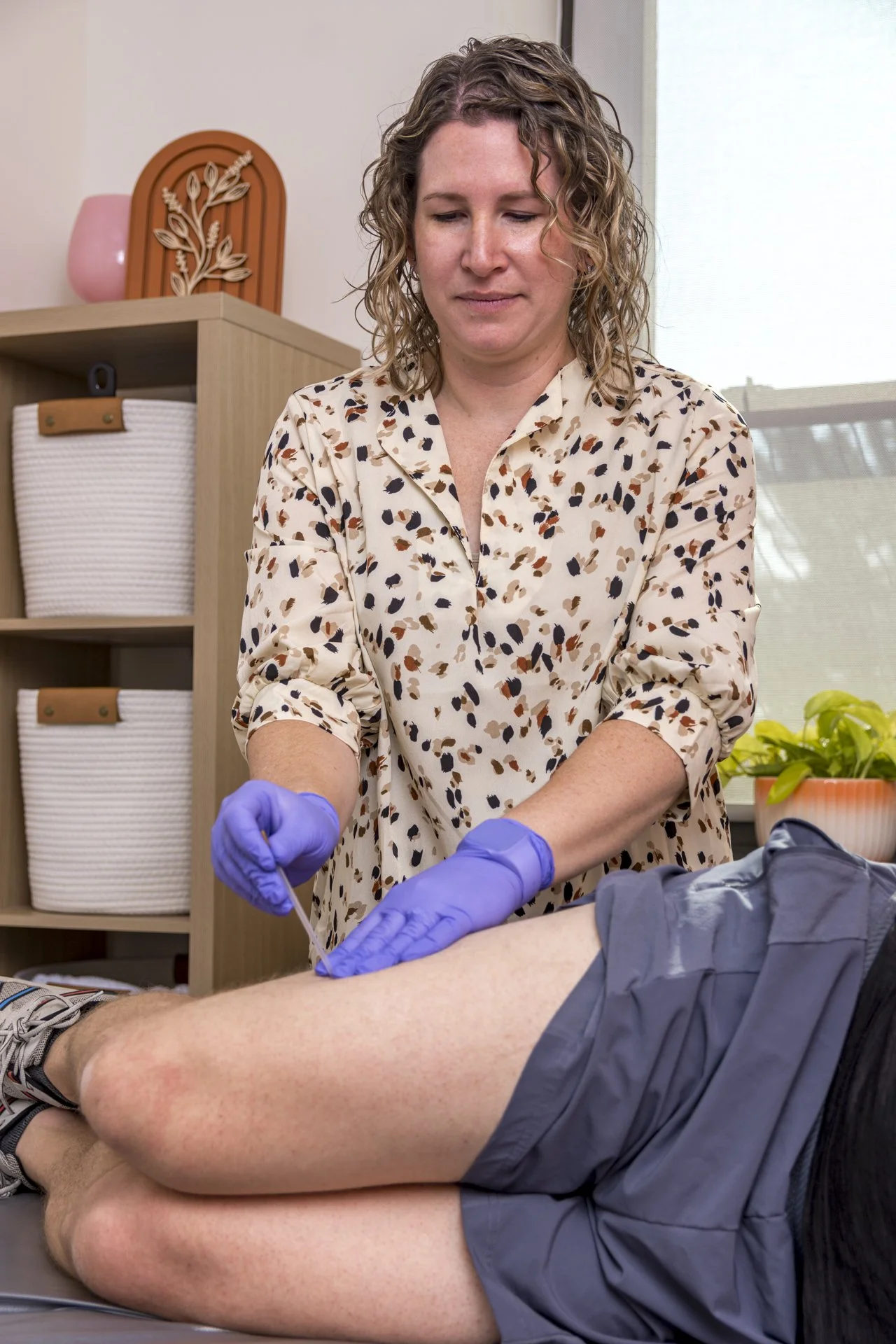
Dry needling uses thin monofilament needles (with nothing being injected, hence the term “dry needle”) that are inserted into tight spots, also called “knots” or “spasms,” in the muscle. The needle causes the muscle to twitch or jump, releasing the tightness and improving blood flow to that area. This process results in improvements in pain and mobility - with many people feeling immediate changes.


Dry needling is like an hour of targeted massage, completed in 5 minutes.
If you are experiencing pain or limited movement caused by muscle tightness, using dry needling as part of your treatment approach may be extremely beneficial.
Dry needling is great for chronic pain, muscle or joint injuries, and recurring tightness.
L, 65, mom of 2
"Kellie is an extremely knowledgeable PT and very talented with dry needling. She will find the source of your issue and improve it with proper hands on treatment."

Chronic muscle tightness
Back and neck pain
Recurring knee, hip, or foot pain
Incontinence/leaking/constipation
Headaches
Preventive care to keep you moving and exercising
Conditions We Can Help With:
M, 37:
"She was able to relieve the tightness and pain in my neck/shoulder in the first visit. I can be nervous working with a new dry needling PT but Kellie is fantastic and I will be back!”
Your Questions, Answered
-
Dry needling uses a thin, sterile needle to target muscle trigger points and areas of tension to reduce pain and improve movement.
-
No. While both use thin needles, dry needling is based on Western medicine principles and focuses on treating musculoskeletal dysfunction.
-
Most people experience mild discomfort. Sensations vary and may include a brief muscle twitch or muscle soreness afterward.
-
Dry needling may help neck pain, back pain, headaches, shoulder pain, hip pain, tendon pain, muscle tightness, and sports injuries.
-
When performed by a trained and certified provider, dry needling is considered a safe treatment option.
-
No. Dry needling is most effective when combined with exercise, movement retraining, and other physical therapy interventions. It may be used by itself in later stages of maintenance for certain circumstances.

Whole body care, because you’re more than just your pelvic floor.
Or your shoulder. Or your hip. Your whole body matters, from movement to stress to sleep to nutrition. Let’s address the root cause together, to take you from healing to thriving.